
Inside Big Ag’s plot to kill the EU Green Deal
Documents from inside Europe's most powerful farming lobby reveal plans to block efforts to cut pesticide use and reduce factory farm pollution
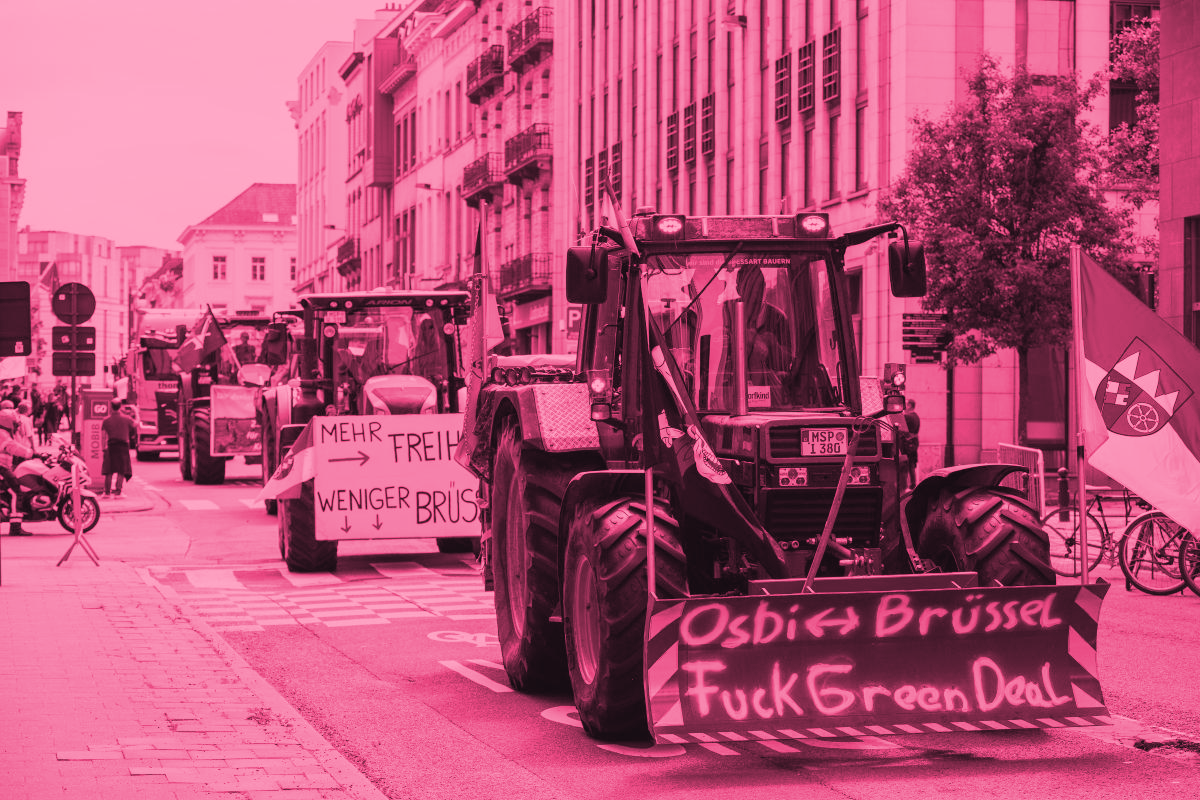
Photo: EU commission
A version was published in the Guardian here
As Europeans went to the polls in June 2024, Europe’s most powerful farming lobby had settled on a simple demand: “Repeal the Green Deal”.
This message, discussed in a high-level industry meeting on the eve of the vote, was the culmination of a years-long campaign to dismantle the most ambitious environmental effort ever pursued by the European Union.
Now, dozens of documents from inside Copa Cogeca, the federation of European farming interests, reveal how the group undermined and hollowed out the EU’s green farming commitments, one by one.
The archive of meeting notes, obtained by GRILLED, a new investigative journalism project, starts in January 2021, just months after EU leaders unveiled their Farm to Fork strategy, the agricultural centrepiece of the European Green Deal.
In that strategy, EU officials promised to cut pesticide use, restore ecosystems, reduce emissions and improve the lives of farmed animals. Five years later, that agenda was all but abandoned.
This is the story of Copa Cogeca’s pushback.
The files capture the organisation receiving support from EU commissioners in blocking parts of the EU effort to beat cancer, pressuring ministers to weaken protections for wild animals, securing emissions exemptions for factory farms, and prolonging the use of cages for livestock.
Less than a year after Farm to Fork landed, representatives of the group’s nearly 70 member organisations met over zoom for Copa Cogeca’s presidium, held just a few times a year.
There, Pekka Pesonen, the then Secretary General, laid the groundwork for the campaign to follow. They would defend controversial animal products like foie gras and fur, he told the board, “in the same way as tobacco.”
Copa cabana | the lobby that runs Brussels farming policy
Copa Cogeca occupies a unique position in European politics. Representing farming unions and agricultural cooperatives across the continent, the organisation claims to speak for 22 million farmers.
The group has been accused, however, of supporting the interests of industrial producers at the expense of smaller farmers. Pesonen, who led the organisation for seventeen years, told Politico in 2023 that it was not realistic to expect small-scale farming to survive: “the market just doesn’t reward this.”
The federation is well known for opposing environmental regulation, and is especially strong in its advocacy for meat, even as evidence mounts that raising livestock is a leading cause of water pollution, a key driver of global deforestation, and one of the biggest sources of climate-warming emissions.
The tranche of internal meeting minutes obtained by GRILLED were not intended for the public; they are a rare look at the inner workings of the most powerful agricultural group in Europe. The files were not written in English; GRILLED used AI translation tools, with key extracts verified by a native speaker.
They depict an organisation with extraordinary access, embedded in the EU’s political machinery. The files show Copa Cogeca is capable of changing laws before they’re even proposed, of unravelling policies that have been in place for decades, of rallying both senior figures in the Commission and farmers on the streets.
Delara Burkhardt, a German MEP and member on the European Parliament’s environment committee, said the documents showed a lobby group with a clear objective. She told GRILLED: “Big Agri’s interest is not in simplifying the Green Deal; it wants to dismantle it.”
The lobbying playbook | delay and opportunism
Over the course of the Green Deal negotiations, Copa Cogeca utilised a suite of strategies to achieve its aims; many of which required an extraordinary level of institutional access.
Copa, the documents show, placed or tried placing its representatives on advisory groups for sustainable food systems, carbon removals, food security, animal welfare, veterinary medicines and civil dialogue.
Commissioners Janusz Wojciechowski and Valdis Dombrovskis spoke at at the group’s own governance meetings, as did multiple Commission Directors-General, including the heads of DG AGRI and DG CLIMA, as well as the parliamentary rapporteurs for pesticides and meat promotion.
Several of these figures are described in the documents as supporting Copa’s positioning in behind-the-scenes talks. The organisation explicitly sought to cultivate high-level allies to counter Commission Vice President Frans Timmermans, the figurehead for the Green Deal.
Thanks in part to its role in Europe’s policy infrastructure, Copa Cogeca could use delay tactics to slow the lawmaking process, declaring at one point it would “force the Commission to abandon its objectives” on reducing pesticide use by delaying the legislation till the election. The proposal was withdrawn just months before the vote.
Burkhardt said the documents raised questions that go beyond this investigation. “The issue is not that interest groups lobby – that is part of democracy,” she said.
“The problem is that a small number of powerful lobby organisations are apparently able to secure disproportionate access and influence in EU policymaking, at the expense of Europe’s long-term interests in sustainability, food security and resilience.”
One of Copa’s most effective delay tactics, used across multiple issues, was commissioning private impact assessments, then strategically releasing them to counter or replace the Commission’s own. In 2021, for example, the group ran its own analysis on the move to cage-free livestock farming, but held it unpublished for two years, only sharing with the Commission once its own assessment failed regulatory scrutiny. Meeting minutes suggest the Copa-funded study was “popular with the Commission” and they “promised to use it”.
This strategic opportunism was also demonstrated in 2022, when war broke out in Ukraine. At a presidium two months after the Russian invasion, Copa members argued that the conflict should spell the end of the EU’s sustainability drive. “The war in Ukraine changes everything,” the Austrian delegate is recorded as saying, “rethink farm to fork and biodiversity strategy”. The Irish delegate reportedly echoed that view, suggesting that farm to fork could cause “a second humanitarian crisis.”
A spokesperson for the EU Commission told GRILLED: “While others may seek to influence the debate, our decisions are taken on Europe’s terms, under Europe’s rules, and in the European interest.”
Meat is back on the menu | How Copa beat the Beating Cancer Plan
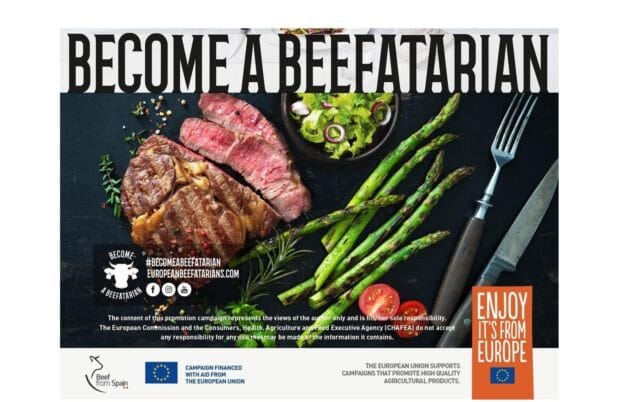
“Become a Beefatarian”. That was the slogan of a notorious 2020 ad campaign funded by the European Union. It sparked outcry among NGOs over its direction of EU funds towards promoting products that clash with the bloc’s own environmental and public health goals, such as meat and alcohol. One analysis found the EU’s agricultural promotion programme had spent €252 million over four years advertising meat and dairy products, making up a third of its budget.
When, as part of the Commission’s Beating Cancer Plan, the programme was updated in 2021 to make it harder to claim EU funds for promoting red and processed meat and alcohol, it was taken very seriously by Copa Cogeca.
“We are not talking here only about promotion policy,” meeting notes from January 2022 read, “because if meat is treated in this way there, it will spread to other policies as well.”
In the same meeting, Copa described mobilising support for Agriculture Commissioner Wojciechowski, who opposed the policy change. “Commissioners Dombrovskis, Breton and MacGuinness were supportive, especially Dombrovskis,” the notes read.
“On the member states side, the ball is currently in your hands – lobby,” Pesonen told the meeting, adding: “If member states apply pressure before the decision is made, they will choose to keep meat and alcohol in.”
The documents show Copa Cogeca working “in coordination” with the alcohol industry rallying MEPs to the cause. The measures were softened afterwards, with official EU notes remarking the proposal to drop meat promotion funding had “provoked substantial controversy and opposition”. Copa’s own internal records are explicit: this was the result of “successful lobbying” and that members’ efforts were “of great benefit.”
The following year, in spring 2024, the proposal was removed entirely, and Copa concluded:
“Lobbying has borne fruit; application period extended and budget increased.”
Though protecting, and ultimately growing, the meat promotion budget was a key focus in this period, Copa was also aggressive at preventing similar support for alternative proteins. The documents show Copa blocked plant-based nutrition from the Farm to Fork code of conduct, which set out the principles of the EU’s food sustainability agenda. They also mobilised ministers to oppose an application for cultivated foie gras submitted by French start-up Gourmey before the Commission had even assessed the file.
Alex Holst, Deputy Head of Policy at the Good Food Institute Europe, said the Gourmey episode was part of a wider pattern. “It's concerning to learn that ministers were being lobbied over a regulatory application before EFSA had even conducted its review of the evidence,” he said. “This fits with a pattern of misinformation being weaponised against plant-based foods and cultivated meat across Europe.”
Stop Timmermans | Taking on the Green Deal chief
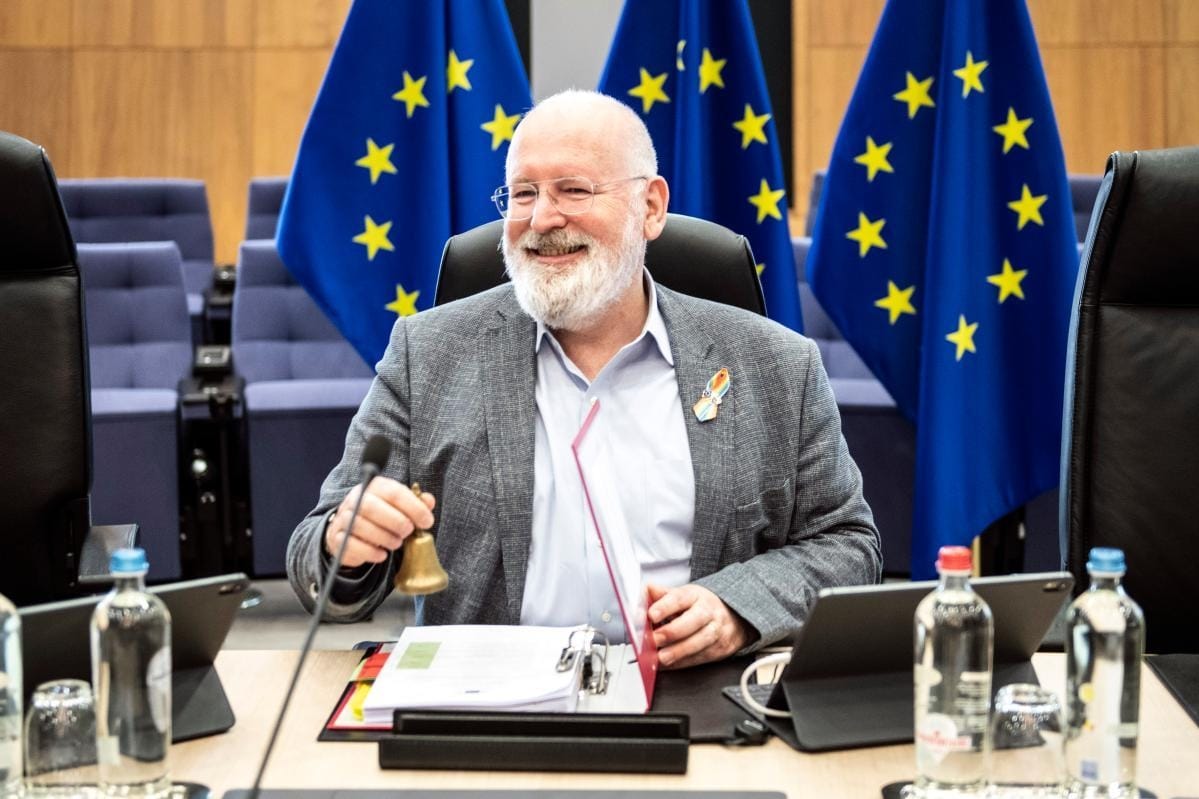
Frans Timmermans, the Dutch socialist who became the political face of the European Green Deal, appears throughout the Copa Cogeca archive as the organisation’s central adversary, a figure who it sought to isolate and outmanoeuvre.
As early as July 2021, Copa officials were clear about their objective: “It is necessary to find a Commissioner who would stand up to Timmermans in the College.”
What followed was an engineered factional battle inside the Commission itself. When Timmermans threatened to initiate his own consultation on the meat promotion policy – a process unpopular with Copa – the organisation relied on sympathetic Commissioners to block it. “Dombrovskis, Hahn and B have agreed to press for consultations to begin,” Copa officials reported.”
When the resulting deadlock left Copa’s preferred status quo intact, the internal assessment was frank:
“In some respects it is good that the proposal is blocked, as the current policy suits us.”
By 2023, Copa was working to further consolidate its advantage. “The Agriculture Commissioner is relatively isolated in his opinion” on the sustainable food systems framework, one note says, “Copa is trying to bring in more support from Von der Leyen’s and Dombrovskis’ cabinets.” The framework never came.
Timmermans resigned from the Commission in August 2023 to lead the Dutch Labour party into national elections. His departure removed the Green Deal’s most committed champion at a critical moment.
If Copa had spent years searching for Commissioners to stand up to Timmermans, by late 2024 it found itself in an even more advantageous situation. Timmermans was gone, and the new Agriculture Commissioner, Christophe Hansen, told Copa’s presidium that farms are “the solution, not the problem”, that there is “no advantage” in taxing agricultural emissions, and that Europe needed “fewer laws”. Copa’s president had one response: “You have started very well.”
Crossing the threshold | Weakening factory farm pollution rules
In 2022, the European Commission proposed expanding its industrial emissions rules to cover more large livestock farms, meaning some intensive animal operations would face the same pollution permitting as factories and power plants for the first time.
At first, it was even backed by Agriculture Commissioner Wojciechowski, a longtime Copa ally, who was met with hostility when he addressed the organisation’s presidium in April 2021: “100,000 birds on a farm is not agriculture – it is industry,” he said. Two years later, however, he told that same group he “was against many aspects” of the proposal.
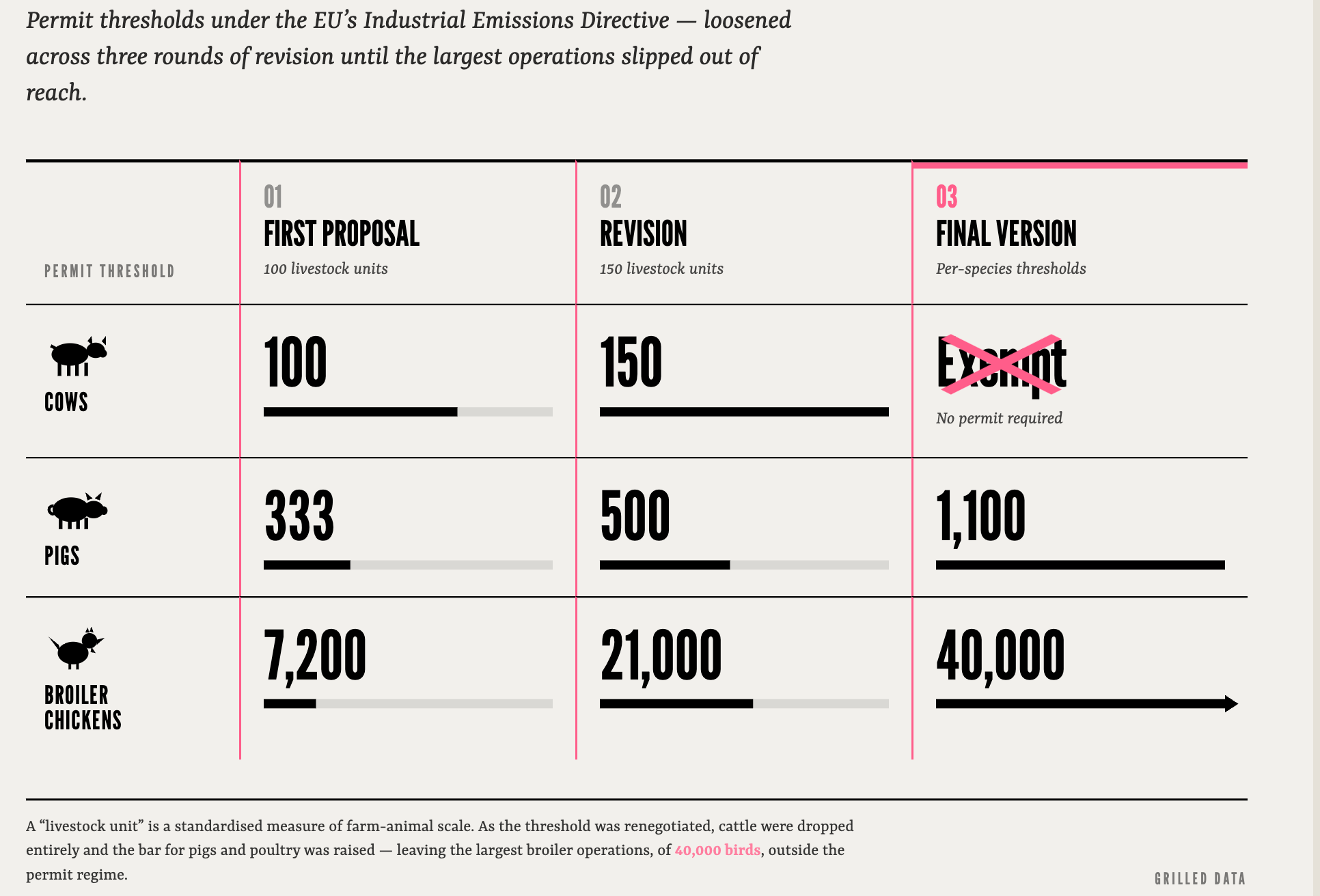
Copa’s campaign was so effective it raised the threshold for what counts as a factory farm before the text was made public. An internal memo from April 2022 claimed early-stage lobbying had paid off: “The Secretariat sent letters to various Commission presidents and Commissioners, and as a result the threshold was changed from the original planned 100 LSU (livestock units) to 150 LSU.” An EU analysis, leaked to French outlet Contexte, found the higher threshold would reduce the public health benefits by €1.8 billion a year.
It was only the beginning. Copa combined parliamentary lobbying, media campaigns and organised farm visits to make its case against the law. Policymakers were taken to Wallonia to be shown pig farms, beef operations and carbon sequestration projects. Brochures were printed. Letters were sent to permanent representations ahead of critical council votes. “Swift lobbying is needed,” the group concluded in September 2022, “We call for a rethinking of the threshold limits.”
As the final decision approached, the campaign moved to the streets. Copa helped organise a flash protest outside the European Parliament in Strasbourg on the day of the plenary vote, with a large screen streaming the result live as tractors and invited MEPs gathered outside.
The final directive excluded cattle entirely and set thresholds significantly higher than originally proposed.
Marco Contiero, agriculture policy director at Greenpeace EU, said the campaign showed who Copa Cogeca truly represents. “By campaigning so aggressively against the inclusion of the largest cattle farms in the Industrial Emissions Directive, despite the fact that the measure would have covered little more than 1% of Europe’s cattle farms, Copa Cogeca has revealed whose interests it truly prioritises,” he said.
“Rather than standing up for the vast majority of Europe’s small and medium-sized family farmers, it has chosen to shield a small group of highly industrialised operators responsible for a disproportionate share of pollution.”
Animal welfare, political warfare | Prolonging the cage age
The petition to ‘end the cage age’ for farm animals was one of the most successful European Citizens’ Initiatives ever launched, with more than 1.4 million signatures. The Commission responded publicly by committing to propose legislation to phase out all cage systems by the end of 2023, with a view to banning them entirely by 2027.
But regulators were already playing catch-up to Copa Cogeca. As early as February 2021, months before the petition had reached its target, Copa officials had decided to get ahead of the Commission: “If we make proposals now, we have more room to manoeuvre on financing and transition periods.”
As the Commission readied its June 2021 commitment to phase out all cage systems, Copa's internal discussions were revealing. At a meeting weeks before the announcement, a Copa official was candid about the prospect of ending cages: “If the Commission offers support, we could give up cages tomorrow”. In contrast, Copa’s lobbying position was that a transition from chicken cages could take up to 15 years.
Gabriela Kubikova, Legislative Advocacy Manager at The European Institute for Animal Law & Policy, said Copa’s approach was “a smokescreen to justify delays in implementation”. Long transition periods, she argued, do not guarantee timely compliance: “extending timelines tends to postpone change as opposed to achieving effective transition in farming practices.”
The end of the cage age has still not arrived. The citizens' committee behind the petition has since taken the Commission to the Court of Justice for failing to act on its commitment. The European Commission is expected to announce plans to phase out cages for laying hens by the end of 2026, years after its original commitment.
The pesticide play | How Copa killed the EU’s pesticide law
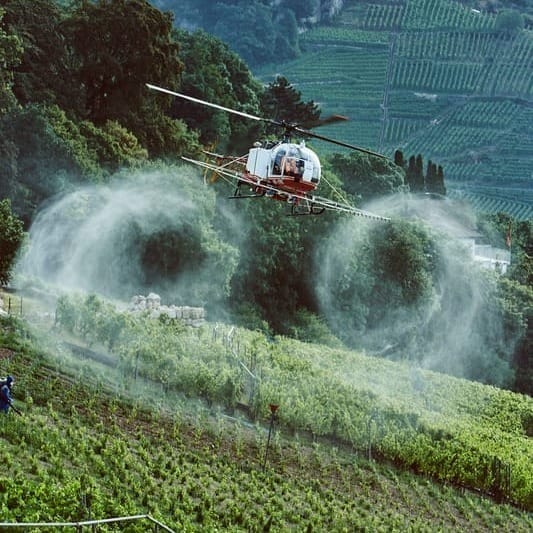
The pledge to cut pesticide use in half was perhaps the central policy of the Farm to Fork strategy, and one of its most controversial.
The documents show how Copa Cogeca planned to deliberately delay setting the pesticide reduction goal. At a meeting in September 2022, officials discussed keeping the file unresolved until the EU elections two years later, after which there would be a new Parliament and Commission less likely to pursue it: “Perhaps it is worth delaying until then.”
While they threw sand in the gears of the Sustainable Use of Pesticides Regulation, Copa also fought to keep controversial pesticides on the market. “Pressurise permanent representation to support,” one 2022 document instructed, ahead of a vote on extending the licence for glyphosate, which has the World Health Organisation’s cancer body classified as ‘probably carcinogenic’. The glyphosate licence was renewed for ten years in 2023 after member states twice failed to reach a decision, with the Commission ultimately approving it unilaterally.
The organisation also worked to shape the narrative around neonicotinoids, which are harmful to pollinators. A document produced in response to the Save the Bees initiative – which gathered more than a million signatures – showed actions farmers were already taking, illustrating how stricter pesticide controls were not needed. It was described internally as “a good lobbying tool,” though one delegate warned it gave the false impression farmers could address pollinator decline without EU funding.
The pesticide reduction target was formally withdrawn by the Commission in February 2024, just months before the European elections Copa had been counting on.
We’re going on a wolf hunt | Unravelling the Habitats Directive
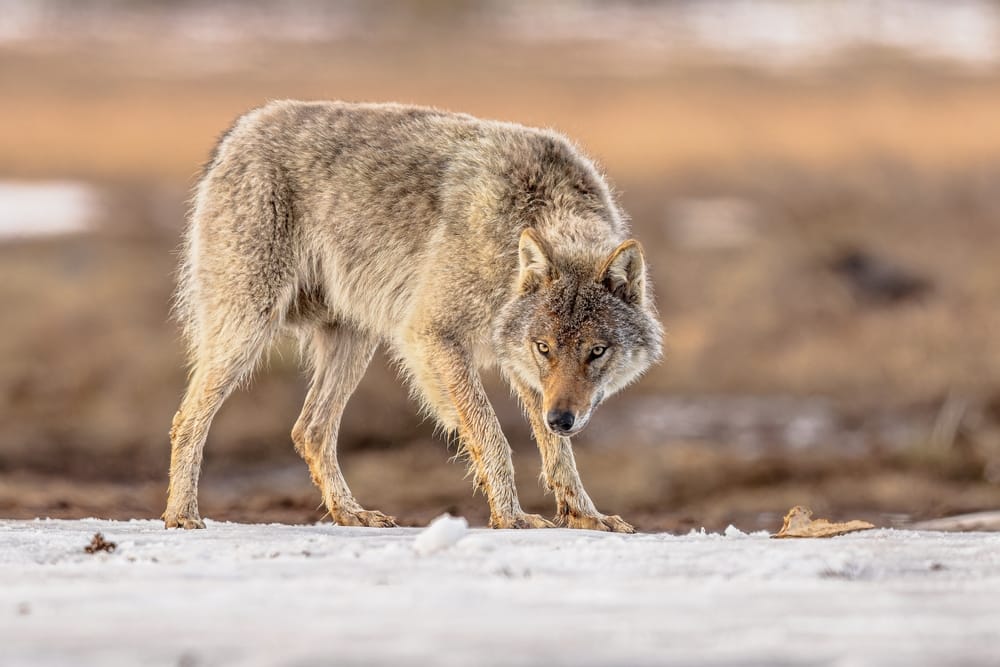
In 2021, Copa Cogeca officials were pessimistic about their chances of formally downgrading protections for the wolf; that would mean altering the Habitats Directive, the foundational piece of EU nature law that had protected species across the continent for thirty years. “Hoping for changes to the Habitats Directive is probably naïve,” one internal document conceded.
They were wrong to doubt themselves.
The archive shows Copa Cogeca coordinating with member states and allied organisations around what it called ‘large carnivore’ campaigns. It wrote to governments, organised pressure events with MEPs and scientists, and built coalitions with hunting and landowner groups aimed at downgrading wolf protections under the Habitats Directive. By September 2024, the presidium declared success:
“A major lobbying victory – the fight is over.”
Ariel Brunner, head of EU policy at BirdLife International, said the wolf decision was only the beginning. “The lowering of wolf protection in Europe does nothing to solve the problems of livestock farmers,” he said. “But it is a first victory in the farm lobby's ideological crusade to dismantle EU nature conservation, and wider environmental protection legislation. We are now facing a full-blown attack on the EU nature legislation, as well as on laws protecting water and limiting the misuse of pesticides.”
The implications go beyond wolves. A subsequent document, discussing what should now be amended in the directive, asked members to send “examples of your needs – which animals and birds should be added to the annex”. Late last year, the Commission began a ‘stress test’ of the entire directive, potentially setting the stage for a historic environmental rollback.
Repeal the Green Deal
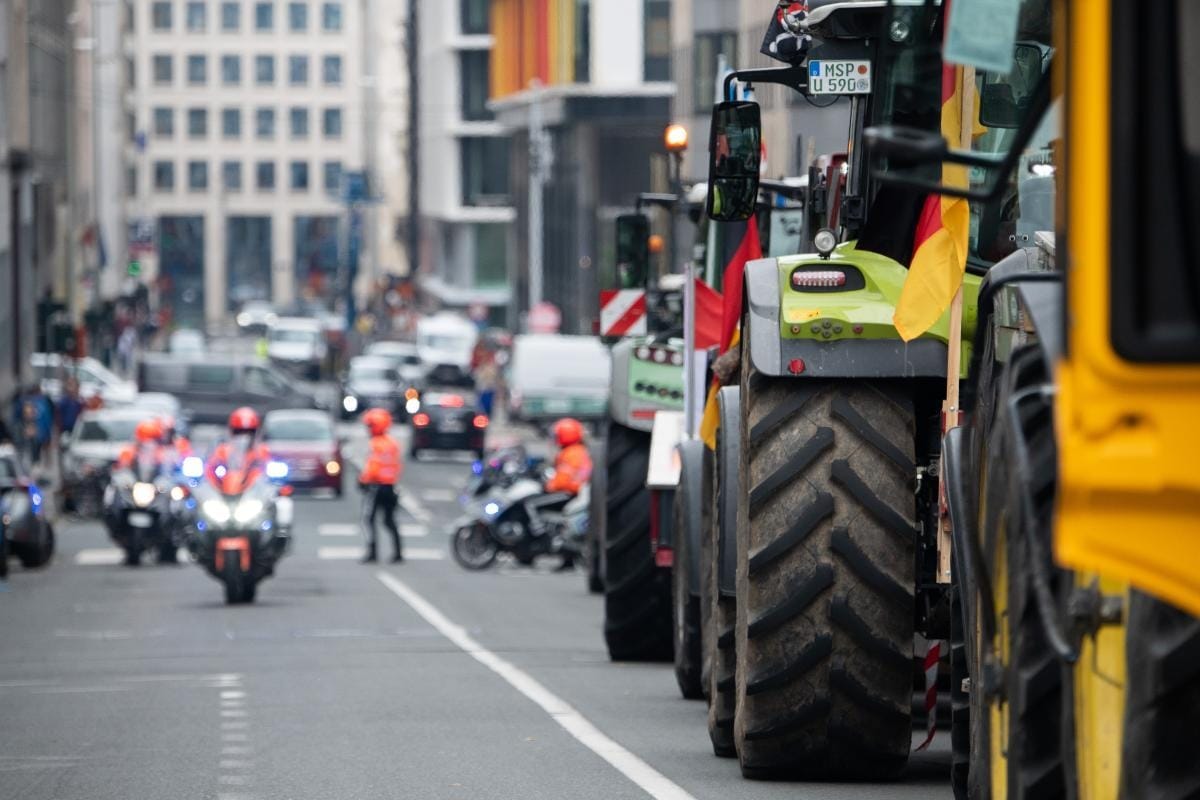
The farmer protests that swept Europe in late 2023 and early 2024 – tractors on the motorway, manure sprayed at EU buildings, fires in central Brussels – are often described as a spontaneous eruption of rural anger. The violence, which Copa was careful to distance itself from, posed problems for the group.
Its internal minutes noted that farmers were increasingly being seen as “conservative, populist, nationalist, and far right”. Another document recorded neutrally that “some media suspect Russian money and support, aimed at influencing the European Parliament elections”.
Still, anger on the streets was an opportunity to extract concessions, and by the time of the EU-wide elections in June, Copa had distilled its demands to just four words: “Repeal the Green Deal”.
While the Green Deal was never formally scrapped, the right-wing European People’s Party won a large majority on a platform promising to roll back environmental regulation; the simplification drive which began the following year and continues to this day is gutting what remains of the farming sustainability agenda.
The EU's new livestock strategy, released last week, shows how far Copa's campaigning has come. Energy on cutting cattle climate emissions has been redirected towards recalculating them; efforts to curb meat eating have been replaced by measures to increase its production. "We must move beyond polarising debates," Commissioner Hansen said at its presentation.
Copa-Cogeca was pleased: "After years in which livestock was too often portrayed as part of the problem," it said in response, "the Commission now recognises its contribution" and addressed "issues that the farming sector has been calling for over many years."
Copa-Cogeca declined to comment for this story.